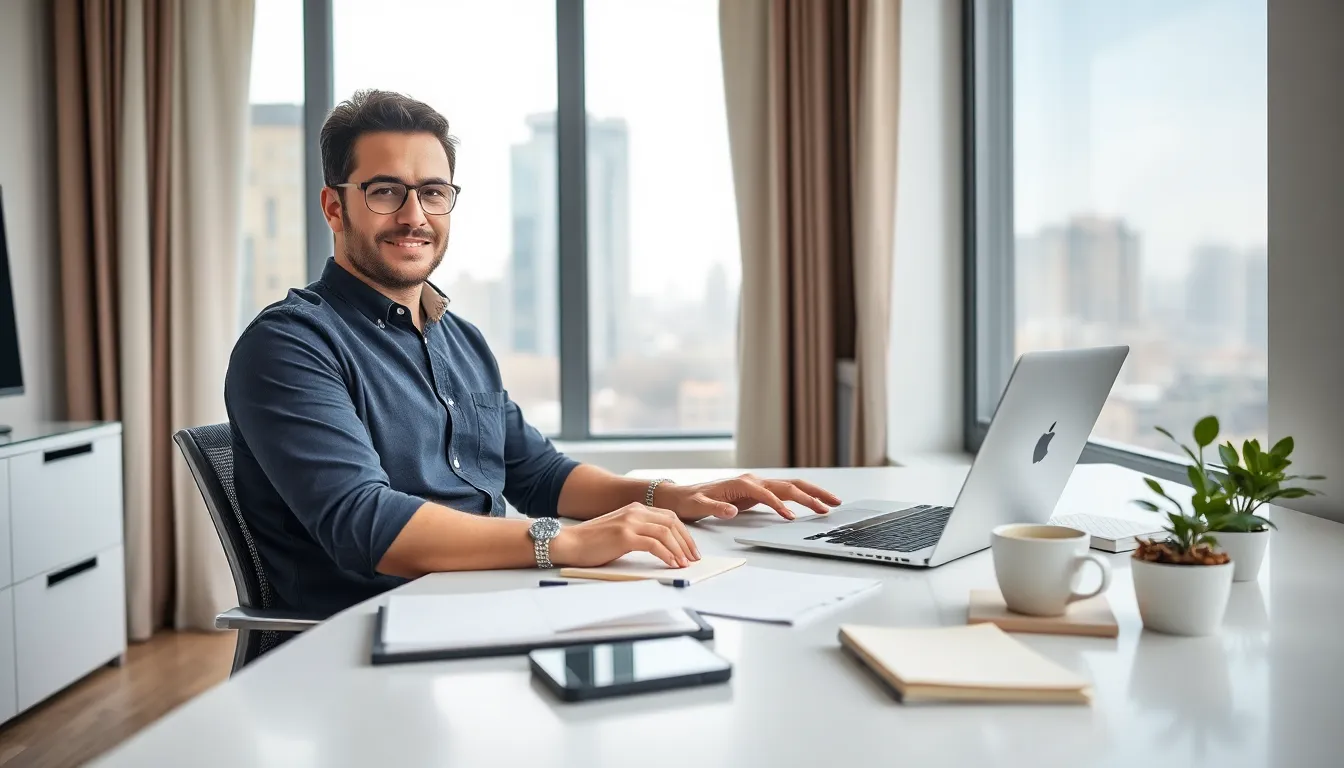
Busy professionals often carry stress that appears productive on the outside but feels exhausting on the inside. Long meetings, deadlines, constant notifications, and pressure to respond quickly keep the nervous system in a high-alert state. Over time, this state can feel normal, even when it quietly drains focus, patience, and emotional balance. Many people try to reduce stress by shutting down completely after work, but daytime stress requires daytime solutions. Supporting calm without sedation means reducing internal tension while maintaining clarity, energy, and sharp decision-making. This type of calm does not remove responsibilities. It strengthens your ability to handle them without feeling overwhelmed, reactive, or mentally scattered.
Calm Without Slowing Down
- Regulating the Nervous System During the Workday
Calmness for professionals begins with nervous system regulation, not just relaxation. Stress often leads to shallow breathing, tight shoulders, and clenched jaw muscles, keeping the body in a state of pressure. A simple regulation habit is to use micro-pauses throughout the day. It could mean taking three slow breaths before answering an email, relaxing your shoulders while waiting for a page to load, or standing up during a call. These tiny resets interrupt stress cycles before they build into fatigue. When micro-pauses become a habit, the body spends less time in fight-or-flight mode. directly improves focus by preventing physical tension from draining attention. Calmness becomes a built-in skill rather than something you only chase after work.
- Wellness Support That Doesn’t Reduce Sharpness
Professionals often avoid stress support because they fear feeling tired or mentally foggy. Supporting calm without sedation means choosing tools that reduce tension while still allowing alertness. Hydration, magnesium-rich foods, short walks, and balanced meals can have a stronger effect than many people expect. Some adults also use structured wellness routines through brands like Capital American Shaman as part of their personal approach to maintaining a steady mood and mental balance. What matters is choosing a method that fits your schedule. Calm should feel like clearer thinking and smoother emotional control, not like losing speed. When the nervous system is supported, the mind remains engaged, and stress feels less overwhelming.
- Two Minutes Before the Next Task
A fast way to stay calm without sedatives is to take a two-minute reset between tasks. Sit upright, inhale slowly through the nose, and exhale longer than you inhale. This lowers stress signals while keeping the mind clear and ready.
- Protecting Focus by Reducing Mental Fragmentation
One of the biggest stress triggers for professionals is mental fragmentation. Constant switching between tabs, messages, meetings, and tasks forces the brain to refocus repeatedly. This creates fatigue that feels like anxiety or tension. Supporting calm means reducing unnecessary switching. Time-blocking helps because it creates a single mental track instead of ten competing ones. Even working in fifteen- to thirty-minute focus blocks helps maintain calm, as the mind stops feeling scattered. Turning off nonessential notifications is another major step. Calm without sedation often comes from protecting attention rather than adding tools. When the brain has fewer interruptions, it works more efficiently, and stress decreases naturally.

- Energy Stability Through Better Daily Fuel
Many professionals run on caffeine and willpower, which creates spikes and crashes that affect mood and patience. Calm becomes difficult when blood sugar drops or dehydration sets in. Supporting calm includes eating in a way that prevents energy dips. Meals that include protein, fiber, and healthy fats reduce jittery stress sensations. Small balanced snacks can prevent late-afternoon irritability. Hydration improves mental clarity and reduces tension headaches. Professionals often underestimate how much stress is worsened by simple physical depletion. When the body is stable, emotions become more manageable, and focus improves without forcing rest.
- Movement as a Pressure Release Strategy
Sedation is not the only way to relax the mind. Movement can reduce stress while maintaining alertness. A short walk outside, a quick stretch routine, or even standing during calls can relieve muscle tension and signal safety to the nervous system. Movement helps metabolize stress hormones rather than trapping them in the body. For professionals who sit for long hours, even five minutes of movement can reset mood and reduce mental pressure. This is especially useful when stress builds late in the day. Movement makes calm feel rather than heavy.
- Evening Transitions That Don’t Drain Motivation
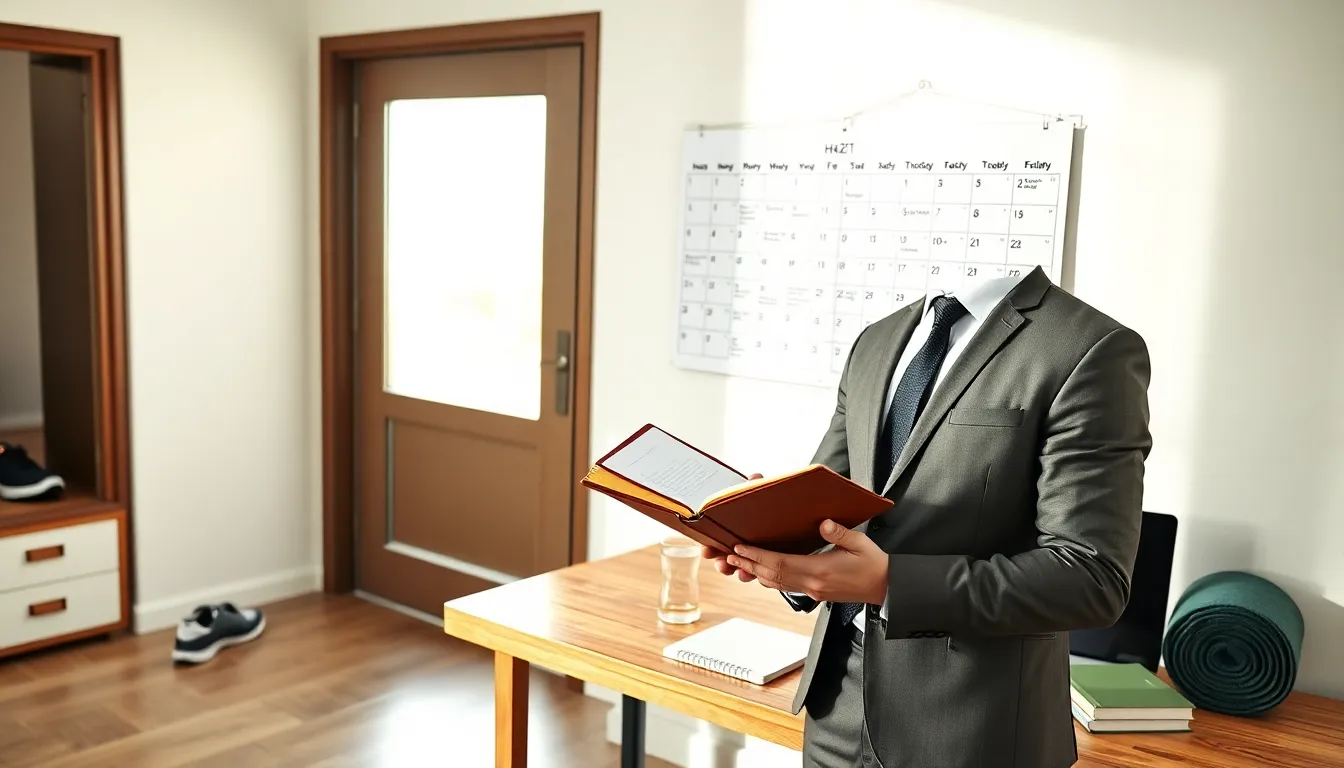
Busy professionals often need calm in the evening too, but they may still want to study, exercise, or spend time with family. Unwinding without sedation involves creating a transition routine. Changing clothes, washing the face, doing light stretching, or taking a short walk signals that work has ended. This helps the mind detach without collapsing into exhaustion. Avoiding intense scrolling also helps protect mental energy. Calm evenings are often built on low stimulation rather than total shutdown. When evening calm is established, sleep improves, and the next day begins with greater resilience.
Calm Can Be Active and Clear
Supporting calm for busy professionals without sedation involves regulating the nervous system while preserving focus and energy. Micro-pauses, attention boundaries, consistent nutrition, movement, and smart transitions all reduce stress without leaving you feeling tired or disconnected. Calm becomes a performance advantage because it supports clearer thinking, better emotional control, and steadier decision-making. Over time, these habits create a calmer baseline, meaning stress still happens but feels less powerful. Professionals don’t need to slow down to feel calm. With supportive routines, calm can stay alert, capable, and productive.