The design of modern cities is aimed at transporting people in the most efficient way, yet such transportation tends to lead to the fact that various types of traffic come into close contact. Cars, buses, bicycles, delivery vehicles and pedestrians all have little space and this is particularly in the busy places in the city.
Although road signs, crosswalks and signals are significant in controlling this interaction, they are not sufficient in some cases. This is where the pedestrian barriers are needed. Pedestrian barriers are far not mere metal constructions, but a very important safety precaution that helps safeguard life, control the flow and avoid accidents.
Separate People and Vehicle Traffic
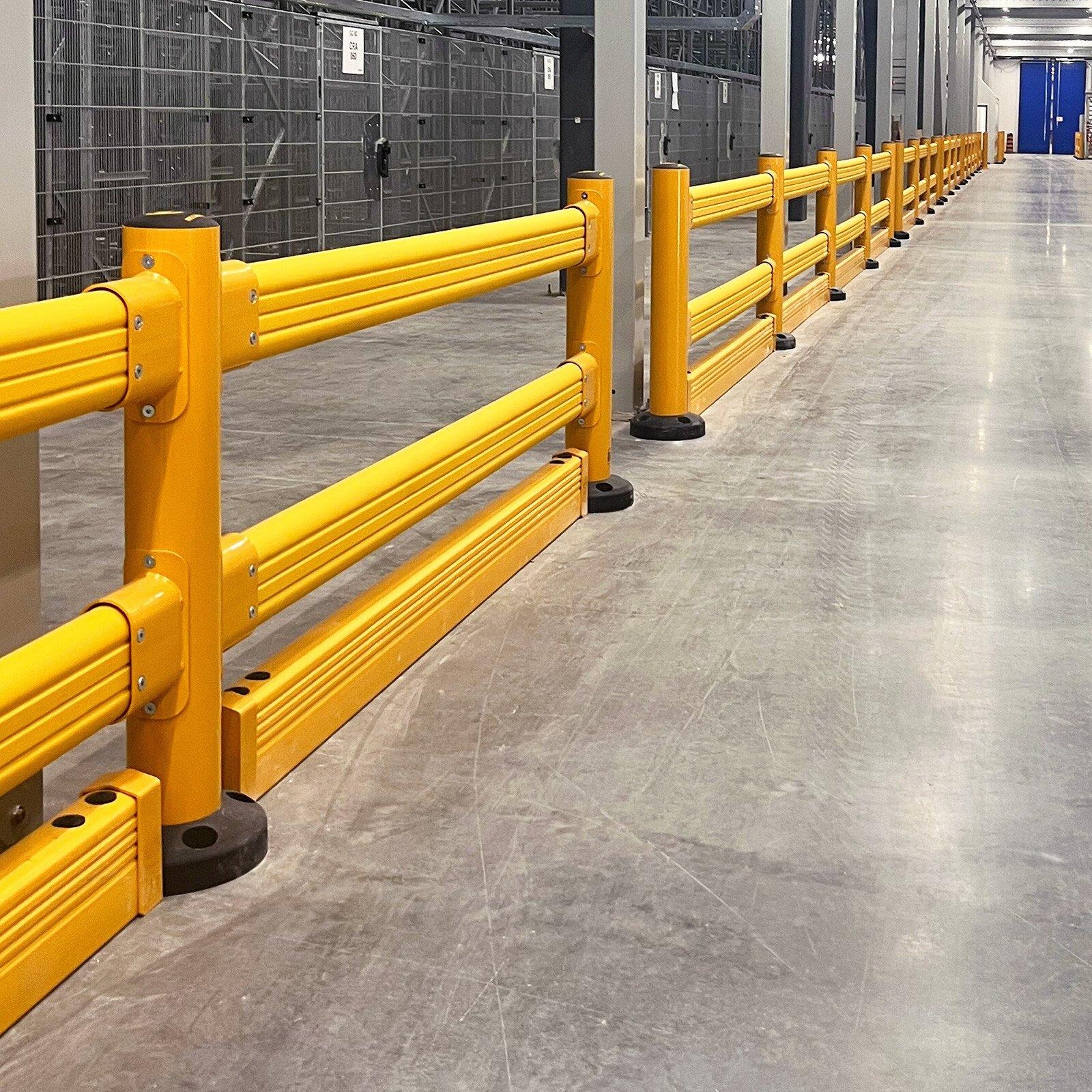
The second major objective of pedestrian barriers is to provide a physical distinction of an individual and moving vehicles. Where there are large volumes of traffic, painted line or signage are not a complete option since they can be too easily misused. The drivers are distracted, visibility is low or in bad weather reactions are slowed. A physical barrier is a clear distinction which cannot be overlooked.
Planners can guarantee that the pedestrians are protected by the accidental encroachment of vehicles by placing a pedestrian guard rail on the sidewalks or medians or at crossings. A low-speed crash is a threat in its own right when there is nothing between a vehicle and an individual. Barriers serve as buffer to minimize chances of vehicles imitating in pedestrian-only areas.
Providing Safer Direction for Pedestrian Movement
More than just blocking entry, pedestrian barriers tell people how to behave. People naturally pick the quickest or easiest route when there are a lot of people around, even if it puts them in danger. Putting up barriers helps direct people on foot to crossings, underpasses, or overpasses where it is safer to do so.
It is very important to follow these rules near places with lots of people moving at the same time, like schools, stadiums, shopping areas, and transit hubs. The overall chance of accidents goes down a lot when people are told to use safe crossings instead of weaving through traffic. When barriers are present, they clear up any confusion and make the safer choice the easy one. Read more here.
Lowering Accident Rates in High-Risk Locations
Pedestrian crashes are more likely to happen in some places than others. Pedestrian barriers are helpful in places where people often cross the street without looking, at crossings where it’s hard to see, at highway on-ramps, and around sharp corners. Even well-thought-out signs might not be enough to stop people from acting in dangerous ways in these places.
Barriers are always there to keep people safe. They don’t break down when the power goes out like traffic lights do. In contrast to police, they don’t need to be watched all the time. Their presence alone can cut down on incidents by preventing unsafe entry and encouraging people to move in predictable ways.
Defending Vulnerable Communities
Pedestrian safety steps need to protect the most vulnerable people, like kids, the elderly, and people with disabilities. People in these groups may respond more slowly, have trouble moving around, or have trouble judging how fast something is going and how far away it is. When you make a mistake, it can have major effects.
Pedestrian fences help protect these people by keeping them from running into traffic by accident. Kids can’t run into the road without thinking when they’re near schools and parks. In places with senior housing or healthcare services, they make it easier to see that footpaths are clearly separated from vehicle lanes. Barriers that don’t get in the way of mobility tools can still be protected by designs that focus on accessibility.

Controlling Crowds to Avoid Chaos
When there are a lot of people around, safety issues arise. A lot of people walk through events, festivals, sports venues, and transit stops all at once. Without clear physical direction, crowds can move in uncertain ways, which raises the risk of accidents, falls, and people spilling into traffic.
Pedestrian barriers help organize these flows by keeping the walkways clear and making sure people stay in the right places. This is important for safety and for getting help in an emergency. Clear paths keep first responders and service cars moving quickly if they need to, and they also keep traffic from building up and becoming dangerous, https://www.sciencedirect.com/science/traffic-barriers.
Urban Planning and Traffic Design
Pedestrian barriers form a bigger system that is aimed at balancing the mobility and safety as viewed through an urban planning lens. They collaborate with crosswalks, signals, curb extensions and speed control to make the environments more understandable and easy to navigate.
Barriers in the streetscapes do not make the places hostile and restrictive when carefully integrated into the street. Materials, the distance between the structures and the location can be selected to conceal into the surrounding environment and still play an essential safety purpose. By so doing, pedestrian barriers not only enhance visual cohesion in the street but also promote functional safety in the street.